
Choose caregiver-led toys for controlled shared hunting play. Use puzzles for food-seeking and problem-solving. Keep simple balls, kickers, boxes and tunnels for quiet catchable play. Automatic toys add variety, but they do not replace human interaction or remove the need for safety checks.
The labels are less clear than they seem. A traditional wand is highly interactive because a person controls it. A battery-powered ball may move on its own but offer little human-cat interaction. This guide compares toys by function rather than marketing language.
What counts as an interactive cat toy?
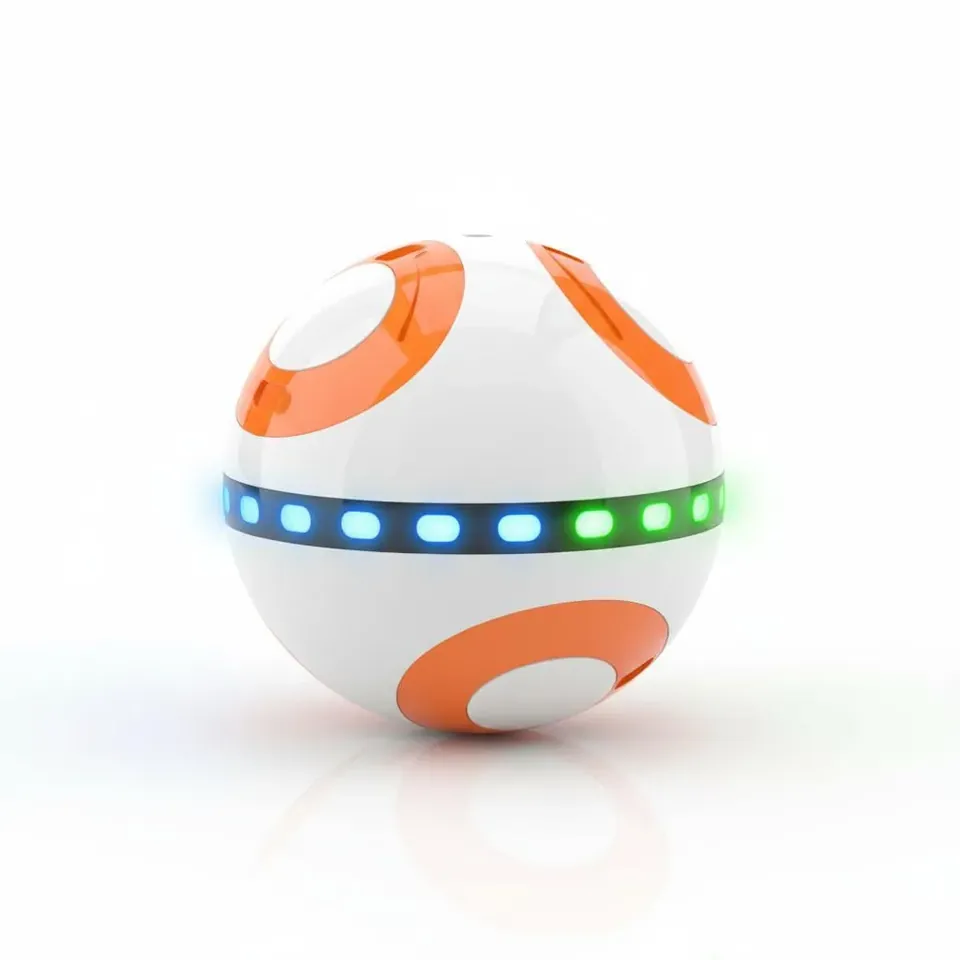
Interactive toys fall into three useful groups. Caregiver-led toys include wands, tossed balls and lures. Problem-solving toys include food puzzles and hidden-object games. Automated toys include powered balls, concealed moving lures and motion-activated devices.
The AAFP and ISFM Feline Environmental Needs Guidelines recommend play that resembles aerial or ground prey and allows the cat to capture the target. That principle can be met by a simple wand or a complex toy.
What are traditional cat toys?
Traditional toys include balls, plush mice, kicker toys, boxes, tunnels, catnip toys and scratching surfaces. They are usually moved by the cat or caregiver rather than a motor. Traditional does not mean passive, cheap or inferior.
A box can support hiding and ambush. A tossed ball supports chasing. A kicker gives a cat a graspable target. Their simplicity often makes them quiet, easy to inspect and easy to rotate.
Interactive vs traditional toys at a glance
| Dimension | Interactive, puzzle or automatic | Traditional or simple |
|---|---|---|
| Movement | Caregiver-controlled, variable or powered | Created by the cat or caregiver |
| Mental challenge | Strong when a puzzle has a clear, achievable outcome | Depends on movement, hiding and play setup |
| Human bonding | High for caregiver-led play; low for fully automatic play | High when tossed or dragged by a caregiver |
| Independent play | Convenient, but not automatically safe unattended | Balls and kickers may work well after inspection |
| Catch completion | Possible with wands and puzzles; impossible with a laser point | Most physical toys can be caught and held |
| Noise | Motors can disturb cautious cats | Usually quieter and more predictable |
| Maintenance | Batteries, charging and moving parts need checks | Usually simpler, but fabric and seams still wear |
| Cost | Often higher | Usually lower and easier to rotate |
Where do interactive toys have an advantage?
Caregiver-controlled movement is the main advantage. You can make a lure pause, hide, flee and become catchable. That lets you adjust the session in real time rather than expecting the cat to adapt to one fixed pattern.
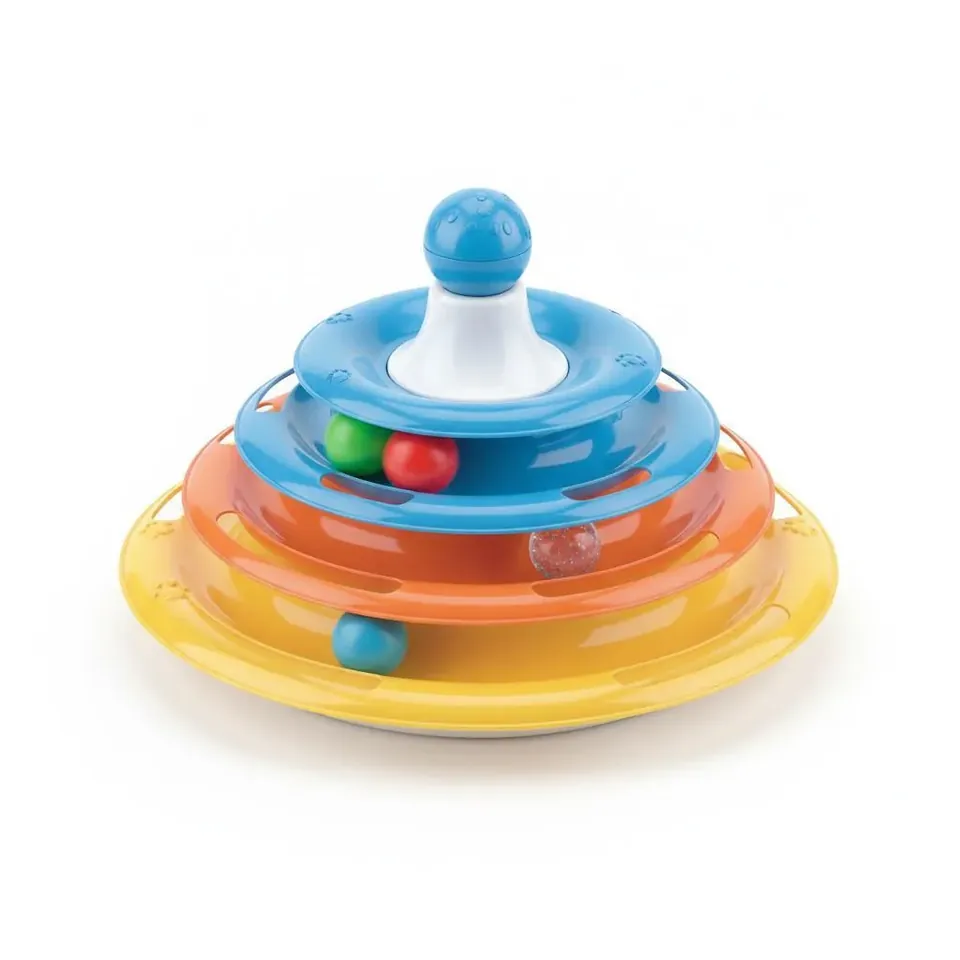
Food puzzles also provide a meaningful outcome. The review Food puzzles for cats: Feeding for physical and emotional wellbeing describes how manipulation and foraging can become part of feeding, while noting that the evidence base remains relatively new.
Automatic toys help when a caregiver is briefly occupied. Their limit is equally important: movement without a person is not the same as social interaction. In a preference study, most participating cats preferred human social interaction over food, scent and toys, although individual preferences varied. See Social interaction, food, scent or toys?
Where do traditional toys have an advantage?
Simple toys make it easier to build a varied rotation without buying several motors or charging devices. They tend to be quieter, and a caregiver can adapt them to the cat. A soft mouse can slide along the floor, disappear behind a box or become a catchable reward after a chase.
Cornell's Safe toys and gifts guidance notes that boxes, paper bags and table-tennis balls can entertain cats. A higher price does not guarantee better engagement.
The weakness is familiarity. Research into object play found that response declined during repeated exposure to the same toy and increased when a distinctly different toy was introduced. Rotation matters for both simple and powered toys.
Which type suits your cat?
- Kittens: choose lightweight, catchable toys without small detachable parts. Do not use hands and feet as prey.
- Indoor adults: combine caregiver-led hunting play, a safe independent toy and an easy food puzzle.
- Busy homes: use automatic toys as a supplement, not an all-day substitute for interaction.
- Senior or mobility-limited cats: keep movement low, slow and short on a non-slip surface.
- Noise-sensitive cats: begin with quiet, predictable toys before introducing motors.
- Food-motivated cats: start with an easy puzzle and count the food toward daily intake.
- Multi-cat homes: use separate locations when one cat blocks another from play or food.
If your cat ignores several toys, do not simply buy a more expensive one. Use our guide to identify prey and play preferences first.
What safety checks apply to both types?
Neither category is automatically safe. Strings, ribbons, elastic and detachable feathers require supervision. Plush toys can split. Plastic can crack. Automatic toys add batteries, charging cables and mechanical gaps.
- Inspect seams, cords, bells, glued eyes and battery covers.
- Stop use when filling, wire or a sharp edge appears.
- Keep lasers away from eyes and finish with something catchable.
- Remove a toy if your cat chews or swallows material rather than playing with it.
- Contact a veterinarian after suspected foreign-object ingestion or a sudden loss of interest in play.
A survey of laser use found an association between frequent laser play and some caregiver-reported repetitive behaviours. It did not establish causation. Read Laser Light Pointers for Use in Companion Cat Play before making a laser the main activity.
Final verdict: build a mixed toy box
The best answer is usually a combination. Use a catchable wand or lure for shared hunting play, a sturdy ball or kicker for simple independent activity and an easy food puzzle for problem-solving. Add an automatic toy only when its movement, sound and construction suit your cat.
Rotate a few items rather than displaying everything. For recommendations organised by play need, see our indoor cat toy guide.
Frequently asked questions
Are interactive cat toys better than regular toys?
No single category is better for every cat. Caregiver-led toys support controlled shared play, puzzles add problem-solving, and simple toys can provide quiet, catchable solo activity.
Can cats be left alone with automatic toys?
Automatic does not mean safe without supervision. Test the toy while present and inspect the battery cover, moving parts, cords and detachable pieces before deciding how it can be used.
How often should toys be rotated?
There is no fixed evidence-based interval. Exchange a few toys when interest falls, and vary movement, texture and location. Keep a favourite available while it remains safe and engaging.
Why does my cat prefer a box to an expensive toy?
A box supports hiding, ambush and exploration while remaining quiet and predictable. Price and technology do not determine whether a toy matches a cat's preferred behaviour.